Author: Boston Made

  • Reading Notes: Henry Reynolds, The Other Side of the Frontier (1981)

    Reading Notes: Henry Reynolds, The Other Side of the Frontier (1981)

    Reading Notes: Henry Reynolds, The Other Side of the Frontier (1981)

    The book that changed how Australians understand colonization, by telling it from the Aboriginal side.

    Henry Reynolds, then a historian at James Cook University in Townsville, set out to answer a simple question: what did Aboriginal people think and do when the settlers arrived? Using colonial newspapers, police reports, settler letters and Aboriginal testimony, he reconstructed how communities learned about the newcomers, adapted, traded, and resisted.

    Key ideas

    • Aboriginal resistance was widespread, organized and often effective, especially guerrilla raids on stock and supplies.
    • Reynolds estimated that about 20,000 Aboriginal people died in frontier violence, a figure other historians have since revised upward for Queensland in particular.
    • Aboriginal people were not passive victims; they made strategic choices about fighting, negotiating and moving.

    Why it matters

    The book helped start the “history wars” of the 1990s and 2000s and influenced debates that led to the High Court’s Mabo decision in 1992. It is still in copyright, so the Reader offers these notes rather than the text. Look for it at your local or university library.

    Part of the Boston Made Reader’s special collection Courage, Conscience & Service. Written for the Reader and free to read here.
  • Adam Smith — The Wealth of Nations (1776)

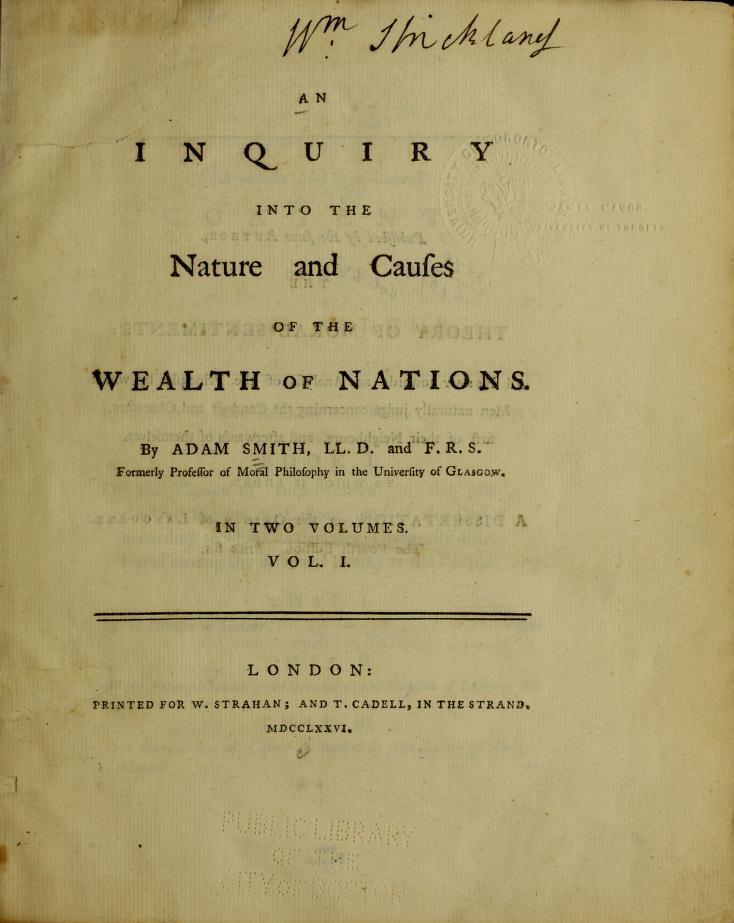
    Adam Smith — The Wealth of Nations (1776)

    Adam Smith — The Wealth of Nations (1776)

    The founding book of modern economics.

    Published the same year as the Declaration of Independence, An Inquiry into the Nature and Causes of the Wealth of Nations explains how the division of labor, free exchange and competition create prosperity. It also includes Smith’s warnings about monopolies and about banks that lend recklessly.

    Every later economist on this shelf, Minsky included, wrote in conversation with it.

    Part of the Boston Made Reader’s special collection Courage, Conscience & Service. Every book and document here is free to read.

  • John Maynard Keynes — The Economic Consequences of the Peace (1919)

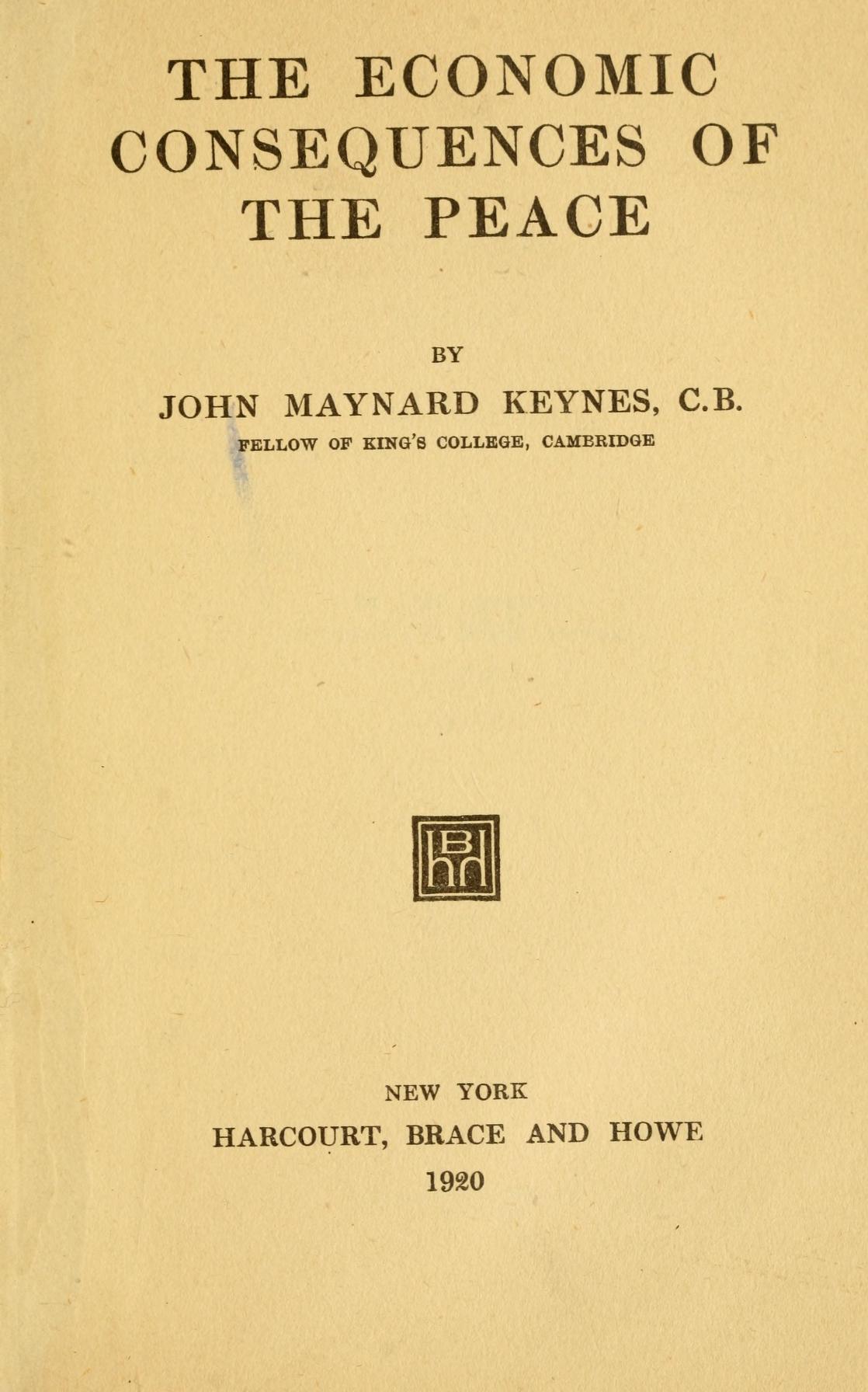
    John Maynard Keynes — The Economic Consequences of the Peace (1919)

    John Maynard Keynes — The Economic Consequences of the Peace (1919)

    The book that made Keynes famous: a warning that the harsh terms imposed on Germany after World War I would wreck Europe’s economy.

    Keynes attended the Paris Peace Conference as a British Treasury official and resigned in protest. His book argued that the reparations demanded of Germany were economically impossible and politically dangerous.

    Minsky was one of Keynes’s most important interpreters, and this book shows the young Keynes already thinking about how debt, money and politics collide.

    Part of the Boston Made Reader’s special collection Courage, Conscience & Service. Every book and document here is free to read.

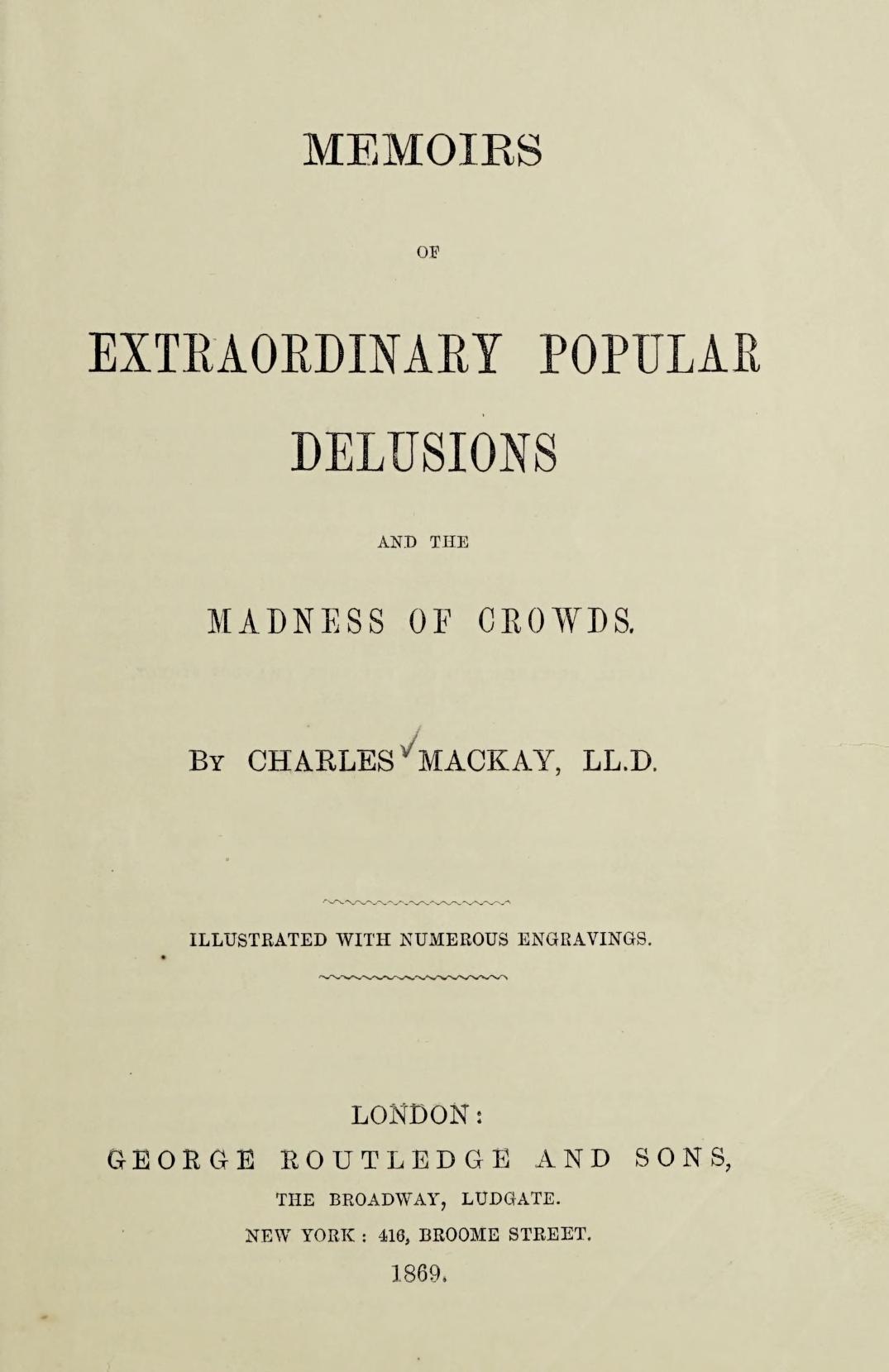
  • Charles Mackay — Extraordinary Popular Delusions and the Madness of Crowds (1841)

    Charles Mackay — Extraordinary Popular Delusions and the Madness of Crowds (1841)

    Charles Mackay — Extraordinary Popular Delusions and the Madness of Crowds (1841)

    Tulip mania, the South Sea Bubble and the Mississippi Scheme: the original book on financial manias.

    Scottish journalist Charles Mackay collected stories of crowds swept up in shared delusions, from alchemy and witch-hunts to the great speculative bubbles of the 1600s and 1700s.

    Its chapters on the Dutch tulip craze and the South Sea Bubble are still required reading for investors. It shows in human terms the kind of euphoria Minsky later described in economic ones.

    Part of the Boston Made Reader’s special collection Courage, Conscience & Service. Every book and document here is free to read.

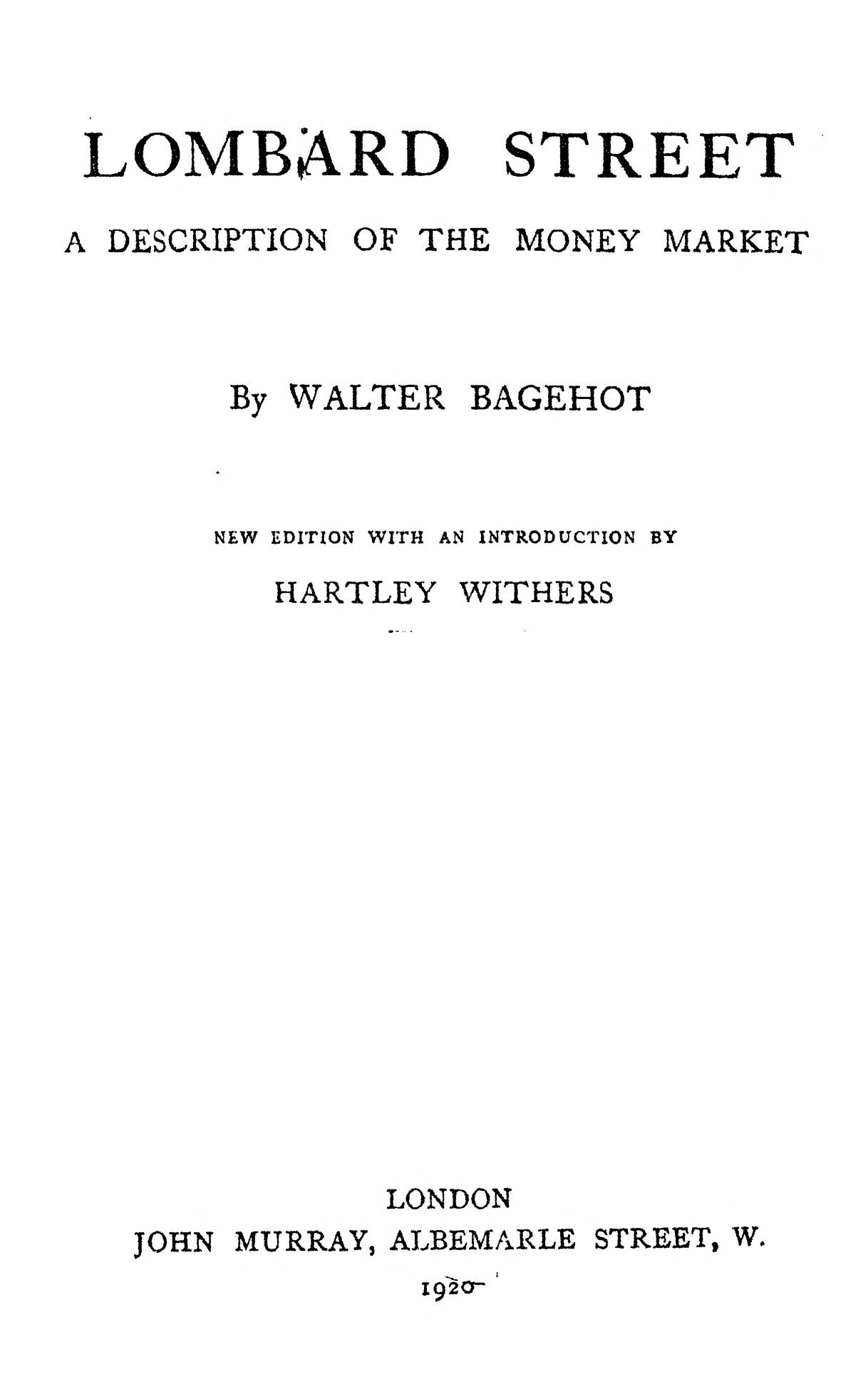
  • Walter Bagehot — Lombard Street (1873)

    Walter Bagehot — Lombard Street (1873)

    Walter Bagehot — Lombard Street (1873)

    The classic guide to banking panics, and the origin of the central banker’s rule: lend freely, at a high rate, against good collateral.

    Walter Bagehot, editor of The Economist, wrote this description of the London money market after a string of banking panics. He explained how credit works, why it can suddenly vanish, and what the Bank of England should do when it does.

    Central banks still invoke “Bagehot’s rule” in every financial crisis, including 2008.

    Part of the Boston Made Reader’s special collection Courage, Conscience & Service. Every book and document here is free to read.

  • Irving Fisher — The Debt-Deflation Theory of Great Depressions (1933)

    Irving Fisher — The Debt-Deflation Theory of Great Depressions (1933)

    Irving Fisher — The Debt-Deflation Theory of Great Depressions (1933)

    Written in the depths of the Great Depression, the paper Minsky built on.

    Irving Fisher, one of America’s most famous economists, was ruined by the 1929 crash. In this paper he explained how too much debt, followed by falling prices, can drive an economy into a spiral: people sell to pay debts, prices fall, and debts become even heavier.

    Minsky called Fisher’s idea a starting point for his own theory. The Federal Reserve Bank of St. Louis offers it free through its FRASER digital library.

    Part of the Boston Made Reader’s special collection Courage, Conscience & Service. Every book and document here is free to read.

  • The Hyman P. Minsky Archive — Bard College

    The Hyman P. Minsky Archive — Bard College

    The Hyman P. Minsky Archive — Bard College

    Hundreds of Hyman Minsky’s unpublished papers, lectures and essays, free to read.

    The Levy Economics Institute of Bard College, where Minsky worked late in his career, has digitized a large collection of his manuscripts, drafts, lecture notes and papers on banking, poverty, employment and financial fragility.

    Minsky’s published books are still under copyright, but this archive lets anyone explore his thinking in his own words, for free.

    Part of the Boston Made Reader’s special collection Courage, Conscience & Service. Every book and document here is free to read.

  • Hyman P. Minsky — The Financial Instability Hypothesis (1992)

    Hyman P. Minsky — The Financial Instability Hypothesis (1992)

    Hyman P. Minsky — The Financial Instability Hypothesis (1992)

    “Stability is destabilizing.” The short paper that explains why booms turn into busts, from the economist whose name became shorthand for financial crises.

    Hyman Minsky argued that financial crises are not accidents from outside the economy but are built into how capitalism works. During good times, borrowers and lenders grow confident and take on more debt. Finance moves from safe “hedge” borrowing, to “speculative” borrowing, to “Ponzi” borrowing that only works if prices keep rising.

    When they stop rising, the whole structure unwinds. Largely ignored during his lifetime, Minsky’s ideas became famous after the 2008 crisis, when commentators spoke of a “Minsky moment.” This eight-page summary, published by the Levy Economics Institute of Bard College, is the best place to start.

    Part of the Boston Made Reader’s special collection Courage, Conscience & Service. Every book and document here is free to read.

  • John Winthrop — A Model of Christian Charity (1630)

    John Winthrop — A Model of Christian Charity (1630)

    John Winthrop — A Model of Christian Charity (1630)

    “We shall be as a city upon a hill; the eyes of all people are upon us.”

    John Winthrop delivered this sermon to Puritan colonists as they sailed to found the Massachusetts Bay Colony, the settlement that would become Boston. He called on them to bind themselves together in charity and to build a community that would be an example to the world.

    Its image of a “city upon a hill” has been quoted by American leaders ever since.

    Part of the Boston Made Reader’s special collection Courage, Conscience & Service. Every book and document here is free to read.

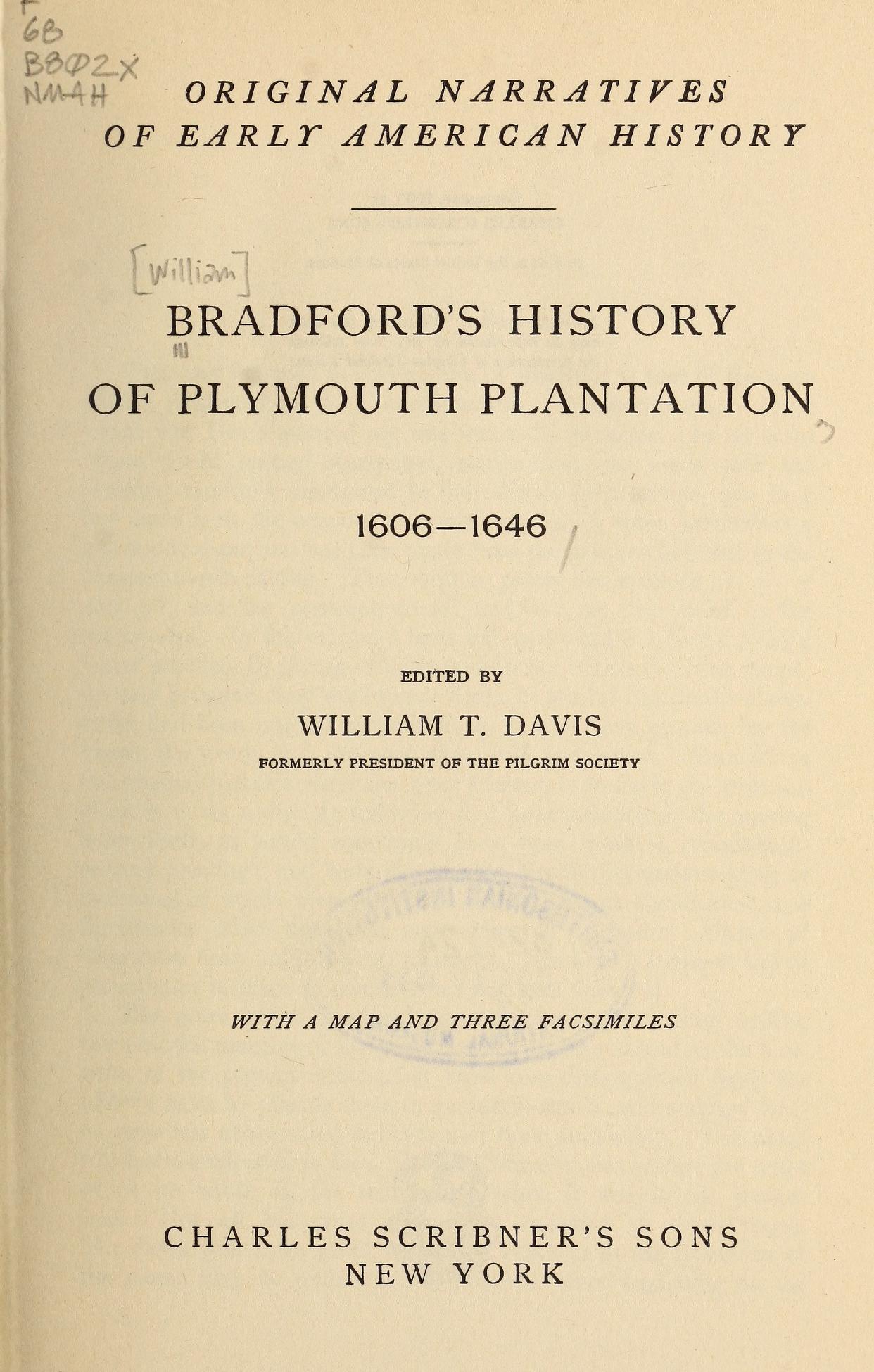
  • William Bradford — Of Plymouth Plantation (1620–1647)

    William Bradford — Of Plymouth Plantation (1620–1647)

    William Bradford — Of Plymouth Plantation (1620–1647)

    The Pilgrims’ own history of their journey on the Mayflower and the founding of Plymouth Colony.

    William Bradford, governor of Plymouth Colony for more than thirty years, wrote this history of the Separatist congregation that fled religious persecution in England, lived in exile in the Netherlands, and sailed to America in 1620.

    It includes the text of the Mayflower Compact, the hardships of the first winter, and the colony’s relations with the Wampanoag people. It is the foundational account of one of America’s first English settlements.

    Part of the Boston Made Reader’s special collection Courage, Conscience & Service. Every book and document here is free to read.

This is a custom website designed and developed by Fenway Web, a marketing agency. Fenway Web is a part of Boston Made, Inc.

♫ Music Video Player
Press play — keeps playing while you browse